


Choosing reliable aluminum alloy die casting parts is never just about surface size matching. Most industrial buyers overlook invisible structural flaws, material instability, and post-processing compatibility issues that cause frequent equipment failures, shortened service life, and unexpected maintenance costs. Many low-quality castings look identical on appearance, yet break down quickly under high temperature, pressure, and frequent mechanical operation, bringing huge hidden losses to production lines and assembly projects. Selecting qualified aluminum alloy die casting components effectively avoids these common troubles and stabilizes overall operation quality for mechanical equipment.
Unseen quality problems remain the biggest headache for die casting purchasers. Porosity inside castings, uneven wall thickness, insufficient density, and incomplete mold filling do not show up in simple visual inspection. These latent defects lead to air leakage, oil leakage, pressure resistance failure, and easy cracking during long-term load operation. Mass unqualified parts will cause assembly delays, scrapped finished products, and repeated debugging work that wastes plenty of labor and time resources. Professional customized die casting solutions from Lexin Precision Hardware strictly control every molding detail to eliminate internal structural defects from the source.
Temperature resistance and pressure bearing performance directly determine whether die casting parts adapt to complex working environments. Ordinary aluminum castings deform rapidly under continuous high temperature, lose dimensional accuracy, and generate gaps that affect sealing performance. In automotive accessories, communication equipment housings, power machinery parts and electronic structural components, unstable material performance will directly trigger safety hazards and operation abnormalities. Standard die casting aluminum alloys adopt optimized formula ratio, compact internal crystal structure, and outstanding anti-deformation ability to maintain stable precision under wide temperature fluctuations.
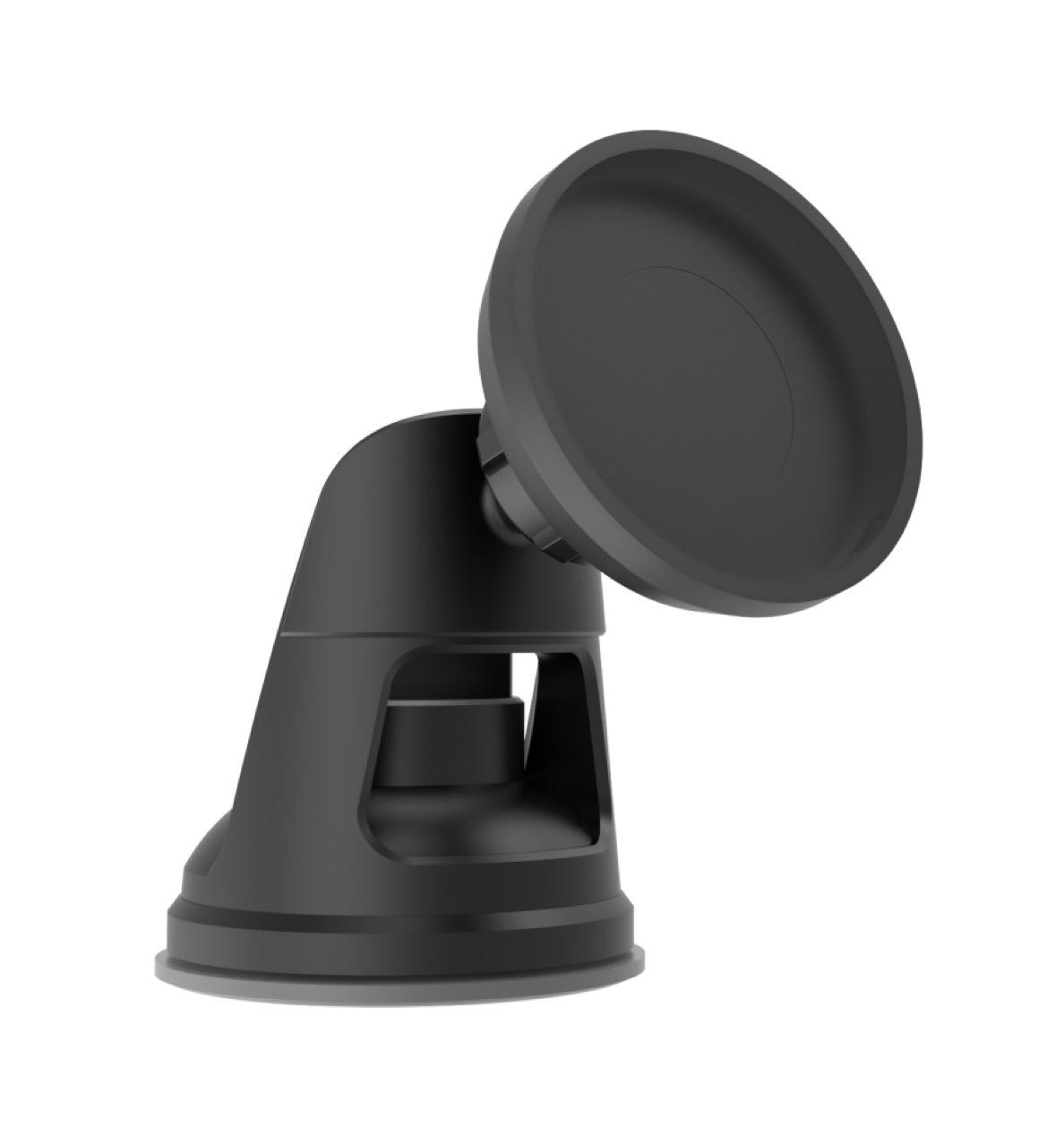
Post-processing matching difficulty is another frequently ignored actual demand. A large number of die casting products cannot meet subsequent CNC machining, surface anodizing, painting, electroplating and sealing treatment requirements. Rough surface finish, loose internal structure and poor flatness increase processing difficulty, raise rejection rate, and greatly extend production cycle. High-precision die casting finished products support diversified secondary processing technologies, keep smooth surface consistency, and ensure stable dimensional tolerance throughout the whole processing chain.
Long-term corrosion resistance and wear resistance distinguish durable industrial castings from inferior substitutes. Humid workshops, corrosive gas environments, frequent friction collisions all accelerate aging and damage of ordinary aluminum parts. Without reasonable alloy ratio and standardized surface treatment, parts will rust, wear thin and loosen quickly, increasing frequent replacement frequency and overall procurement cost. Professional die casting production strictly matches industrial application scenarios, strengthens anti-corrosion and wear-resistant characteristics, and greatly reduces overall operation maintenance expenditure.
Performance Comparison Of Ordinary Die Castings & High-Precision Aluminum Alloy Die Castings
| Performance Index | Ordinary Low-Quality Die Castings | High-Precision Aluminum Alloy Die Castings |
|---|---|---|
| Internal Density | Loose structure, easy porosity and air holes | High compactness, no hidden air leakage defects |
| Dimensional Tolerance | Large deviation, unstable assembly fit | Ultra-small tolerance, precise assembly matching |
| High Temperature Resistance | Easy deformation, size shift above 80℃ | Stable shape, adapt to continuous high-temperature operation |
| Surface Finish | Rough burrs, poor post-processing effect | Smooth flat surface, suitable for various surface treatments |
| Service Life | Short, frequent damage and replacement | Long durable cycle, low failure rate in heavy load work |
| Sealing Performance | Poor sealing, easy oil and air leakage | Excellent airtightness, stable pressure bearing sealing |
Most buyers only focus on unit price when purchasing die casting parts, ignoring comprehensive cost throughout the whole life cycle. Cheap inferior castings seem economical at first purchase, but frequent breakdowns, assembly rework, equipment shutdown losses and frequent part replacement far exceed the price difference of high-quality products. High-precision customized die casting reduces comprehensive maintenance cost, improves production line operation efficiency, and avoids unexpected production interruption caused by part failure.
Strict mold development and standardized die casting process guarantee batch consistency. Irregular mass production leads to inconsistent size, uneven quality and chaotic matching standards among different batches. Professional production adopts precision mold opening, automatic pressure casting, constant temperature cooling and multi-link quality inspection, ensuring each batch of products maintains identical precision and stable performance. It fully meets large-scale mass assembly, supporting long-term stable supporting supply for industrial production.
Wide application scenarios cover automobile parts, communication housings, intelligent equipment structural parts, household appliance accessories and mechanical precision fittings. Reasonable aluminum alloy material weight realizes lightweight design while ensuring structural strength, effectively reducing overall equipment weight without sacrificing load-bearing and safety performance. Optimized die casting structure also optimizes stress distribution, greatly lowering fracture risk under frequent vibration and impact conditions.
Scientific quality inspection procedures cover dimensional detection, air tightness testing, pressure resistance testing, appearance flaw inspection and internal structure detection. Every finished product passes multi-stage screening before delivery, eliminating unqualified defective products completely. Complete quality assurance system protects purchaser interests, reduces after-sales disputes, and builds long-term stable cooperative supply relations for industrial supporting production.